Hispanic students balance stress from COVID with family expectations and taboos.
At campuses all across the country, students are dealing with a heightened level of stress, depression, and anxiety, brought on by the COVID-19 Pandemic. Montclair State is no different. And Latino students, who often have added family responsibilities and expectations, are especially vulnerable. Jasmin walks to her psychological therapy for the first time. Flavio is thinking again of quitting the university because of a lack of interest in his major. Ondi dances to relieve her depression, and Lornaa plays music to relax her anxiety and stress.
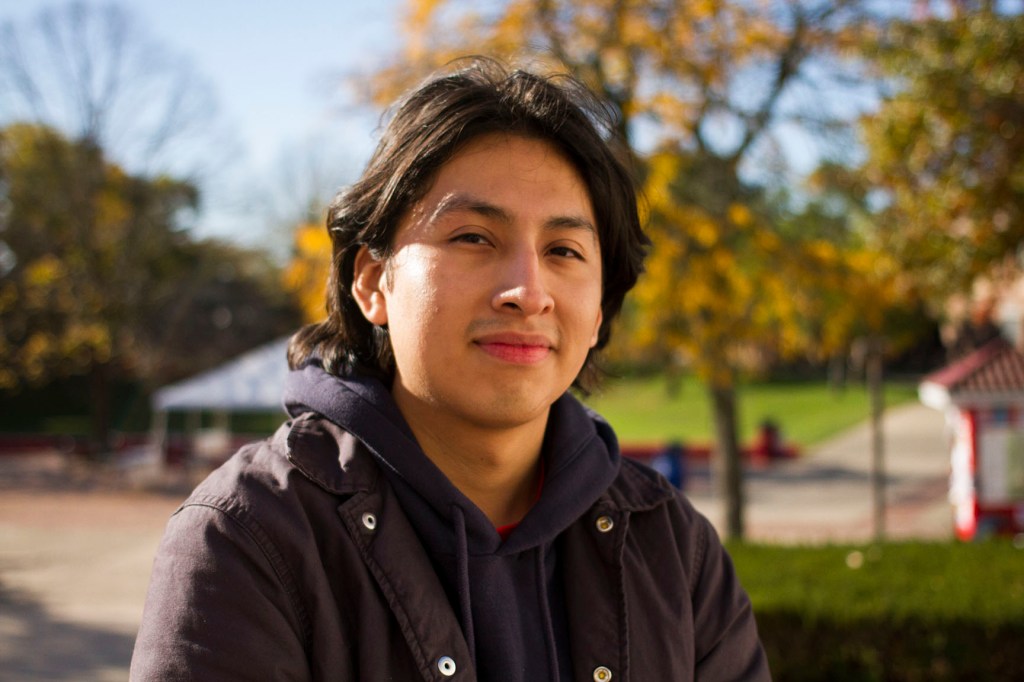
Professor Stephan Ruszczyk studies the Balance of Latino students after the Pandemic.
“Immigrant students have extra pressure; if they are working, taking care of their elders or younger siblings, and other responsibilities will shape their experiences on campus and their balance as students.” Said Professor Ruszczyk.
Jasmin is a first-generation Latino immigrant. Her parents came from El Salvador in the late nineties escaping the violence in their country. Her father works as a landscaper, and her mother works in a school cafeteria. Now she is 19. Born and raised in Union county. Jasmin says it has not been an easy life because, as a Hispanic, everyone needs to work and put food on the table. The assimilation process was a big challenge, and she developed symptoms of depression when she was just 13.
Her family ignored this event, and the symptoms increased during the Pandemic.
“I remember that I was tired of everything, and one day, I had a crisis in the high school bathroom, and the specialist of that center recommended therapy.”
The lack of information regarding mental health in the Latino community is a significant gap in our society: most of the time, Latino householders don’t know how to face this problem and prefer to avoid any treatment. Jasmin’s parents didn’t send her to therapy because they believed society would point them as bad parents. “we don’t talk with people about this; we try to show the appearance of a normal family,” she concluded. Many other Latino students say they are developing psychological distress but prefer to keep silent, despite the ever-growing Latino population, especially young adults, presenting high rates of mental health issues in the U.S. This has not gone unnoticed in the academic world.
Professors like Sociologist Stephen Ruszczyk from Montclair State are conducting studies to understand Latino and immigrant students in the university and their communities.
“During the Pandemic, Latino students added more responsibilities to their lives, including taking care of elders or younger members of their families, support economically to their homes, and help to their families in their countries,” said Ruszczyk, “their new obligations rested time for their university duties.”
This is the case of Flavio, a full-time student that works 40 hours in a restaurant; he lives in a house with his big Mexican family, his parents, four siblings, his uncles, and five cousins. During the Pandemic, Flavio couldn’t perform his online classes properly because there were too many people around him, and he also needed to take care of his young brother and cousins. “It was too many people around, too much noise; at one point, I started to think of quitting college or at least change my major because I don’t feel like doing this major anymore” Flavio switched from Information Technology and Film to Business; but the idea of leaving the university still in his head.
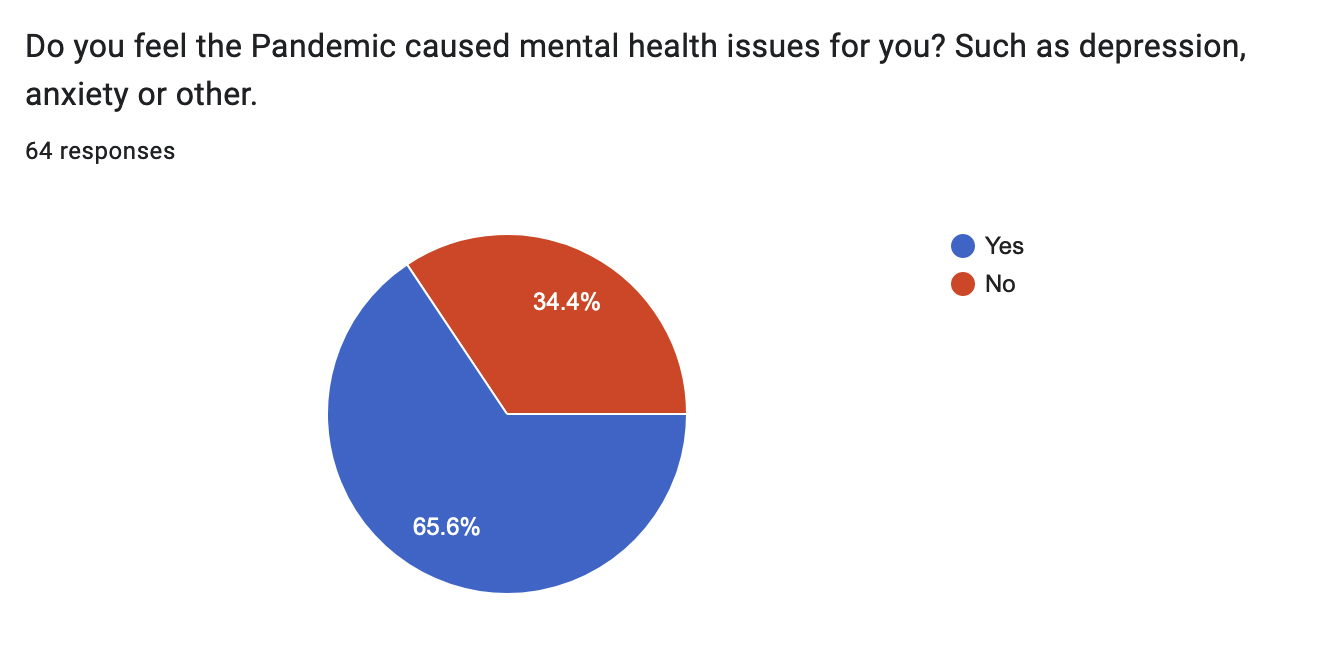
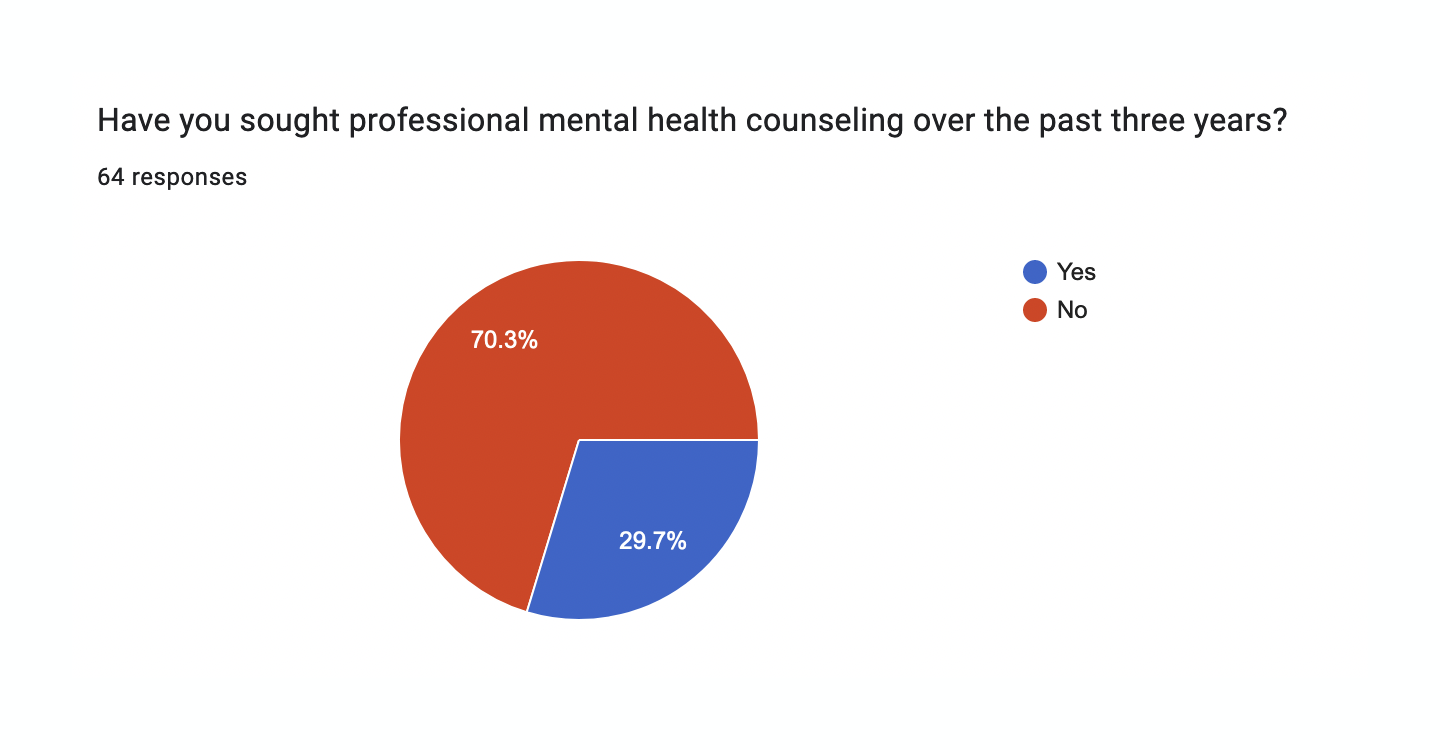
A survey was conducted among Latino students at Montclair State University in 2022.
According to a recent survey conducted with Montclair State Latino students, 65.6% feel the Pandemic has caused mental health issues, yet only 34% decided to visit a specialist. Flavio is part of that minority that decided to seek professional help. Still, like many young adults, but had to endure negative comments from family members because of taboos and deep-rooted religious ideologies and taboos, especially from those who mattered the most.
“I told my father that I was thinking of going to therapy,” Flavio said, “but he advised me to pray and read the bible; he thinks the devil produces my mental health.”
The Pandemic spotted the weaknesses of the Latino community, like their cultural stigmas, and surfaced illnesses like diabetes. Furthermore, the risk of getting Covid increased in Latino households because of the medical condition of elders and the significant family members living in the same house. As a result, many Latino students stressed spreading the virus in their homes.
Some students became anxious about staying with others, attending classes, or even shopping. Ondi Ribon was born in Morristown; she is the last child of a Cuban-Colombian family. Before the Pandemic, she was a social person, but the Pandemic brought stress, anxiety, and depression to her life.
“When the Pandemic was over, I couldn’t leave home; if I was going somewhere with my family, I preferred to stay in the car trying to calm down.” Ondi Ribon.
As the young adult mental health crisis in the United States has been exacerbated by the Pandemic, some communities of color are breaking through entrenched cultural stigmas.
1 of 3 students at Montclair State University is Latino or Latino descendant.
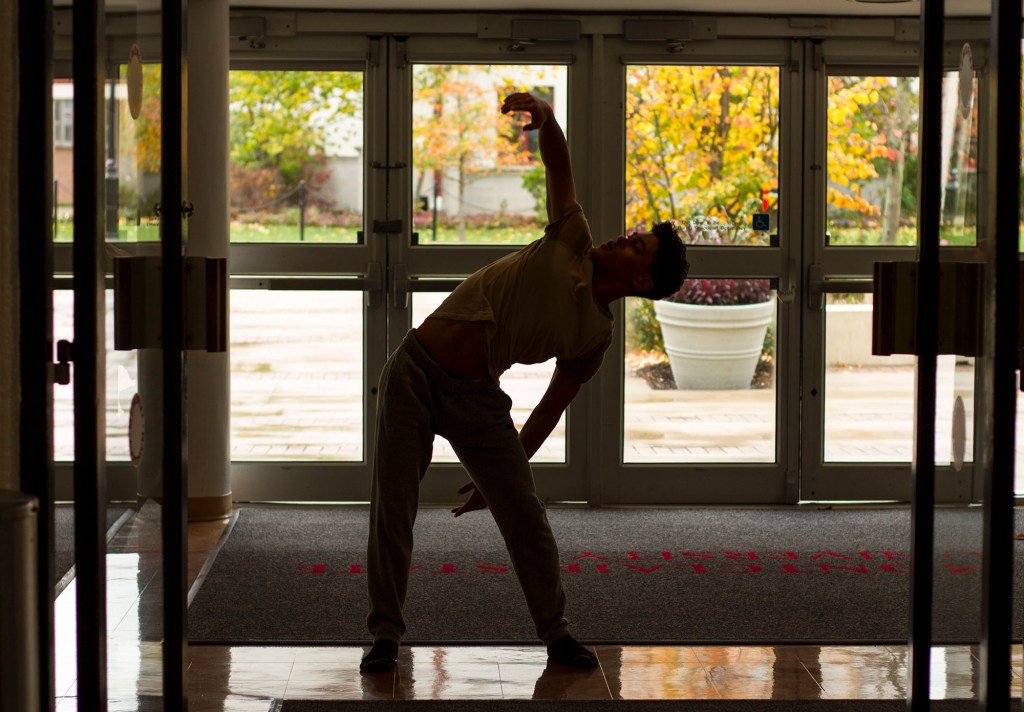
Because of economic problems or cultural background, people like Ondi decided to look for alternative options to face post-Pandemic effects; she learned some breathing techniques to control her emotions and found dance the best therapy for her depression.
Another student, Alexis Cruz, learned how to manage anxiety with art and physical exercises. Alexis visited his family in Puerto Rico when the Pandemic hit, and he spent the whole Pandemic away from his friends and social life in New Jersey.
“I decided to run, to do art; without exercises, I would be laid on bed overthinking,” Alexis Cruz.
According to Lornaa Morales, a Porto Rican Music therapist senior student at Montclair State University, family and community support are essential to deal with those post-Pandemic effects. Furthermore, activities like art help to improve and exteriorize emotions. “We all went through the Pandemic, and music helps to encapsulate those experiences and create a tangible product from our emotions.”
Another student, Alexis Cruz, learned how to manage anxiety with art and physical exercises. Alexis visited his family in Puerto Rico when the Pandemic hit, and he spent the whole Pandemic away from his friends and social life in New Jersey.
Lornaa and other Musicians from Montclair State’s CALI Music School organize a Caribbean ensemble, a community of Latin students that get together every week to perform music and talk about their week.
The university has several resources that help students to improve their mental health, like therapy and psychological advice; furthermore, the academic staff is running studies to understand immigrant students. But there is a lot to do; something that we may consider is the lack of sense of community on campus, especially in the immigrant population, few physical activities to avoid overthinking, and the poor healthy food options on campus (and very expensive).





 Vera Academic Research
Leave a comment